Use Up:
An app to reduce overconsumption
Goal
The aim is to give unwanted items away in a smooth and seamless process, without going through a customer experience on a C2C platform that can potentially be drawn out and unsatisfying. By doing this, users can help each other make furniture as valuable as possible, without spending needless money on new goods, reducing overconsumption.
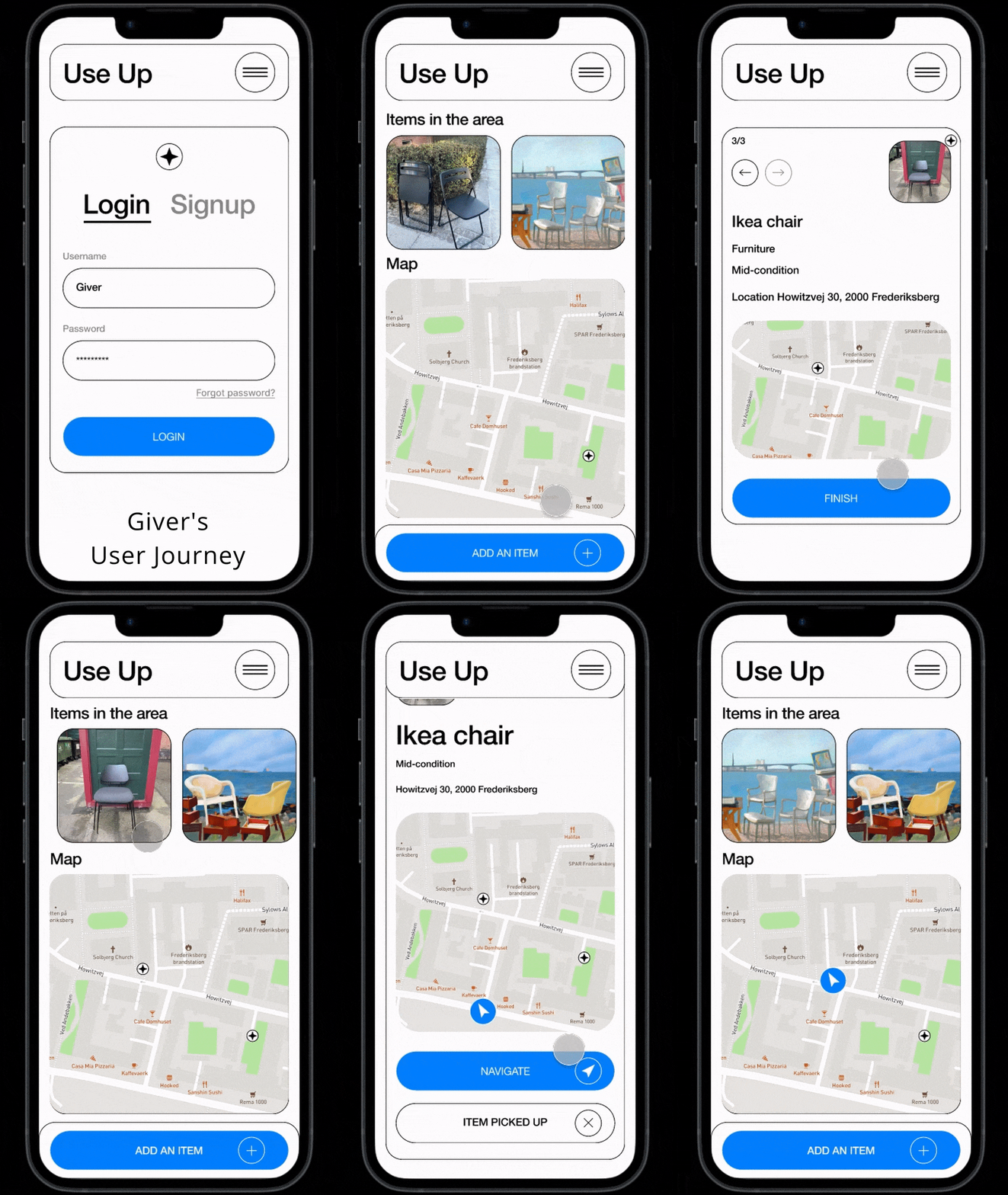
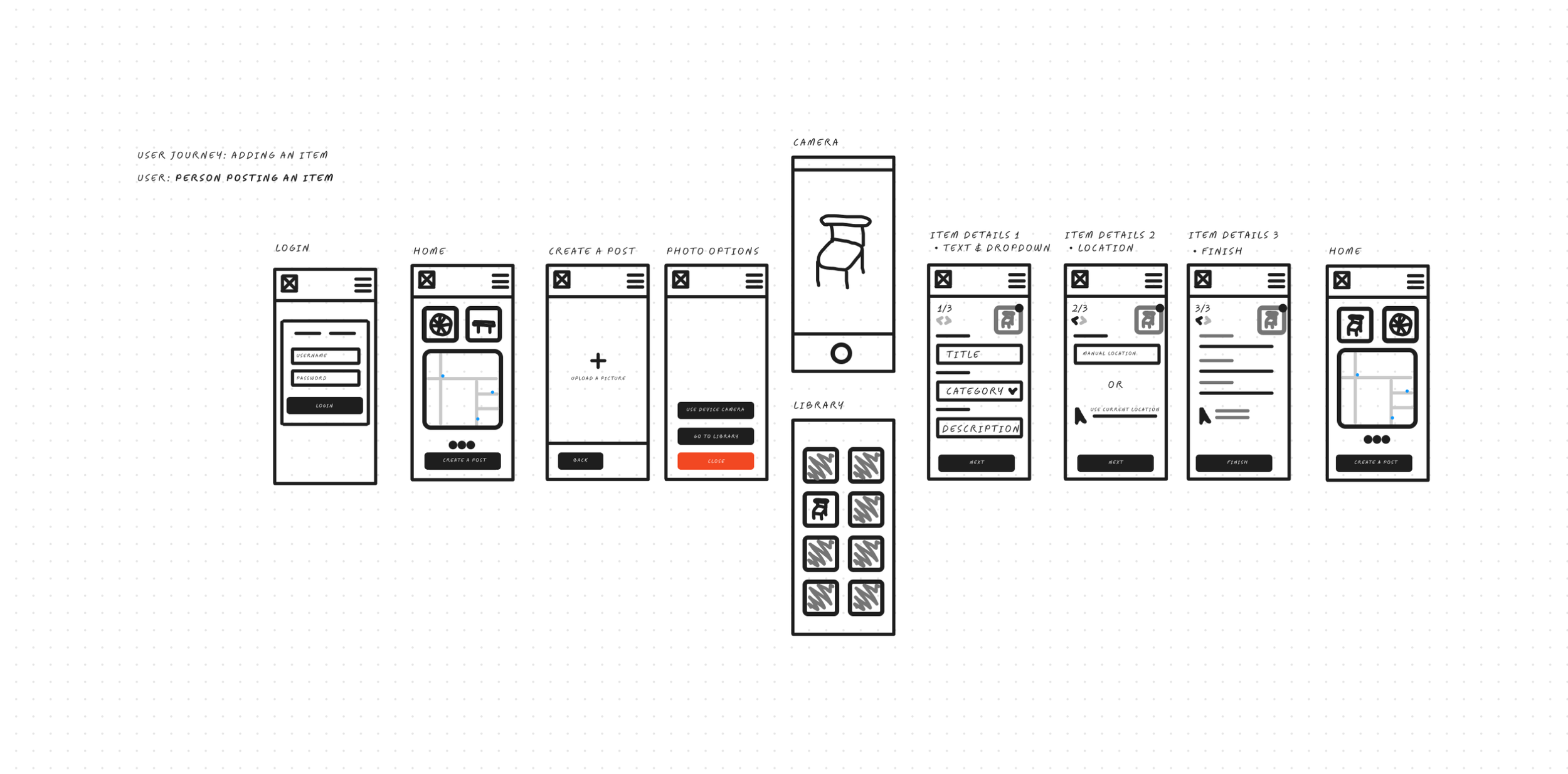
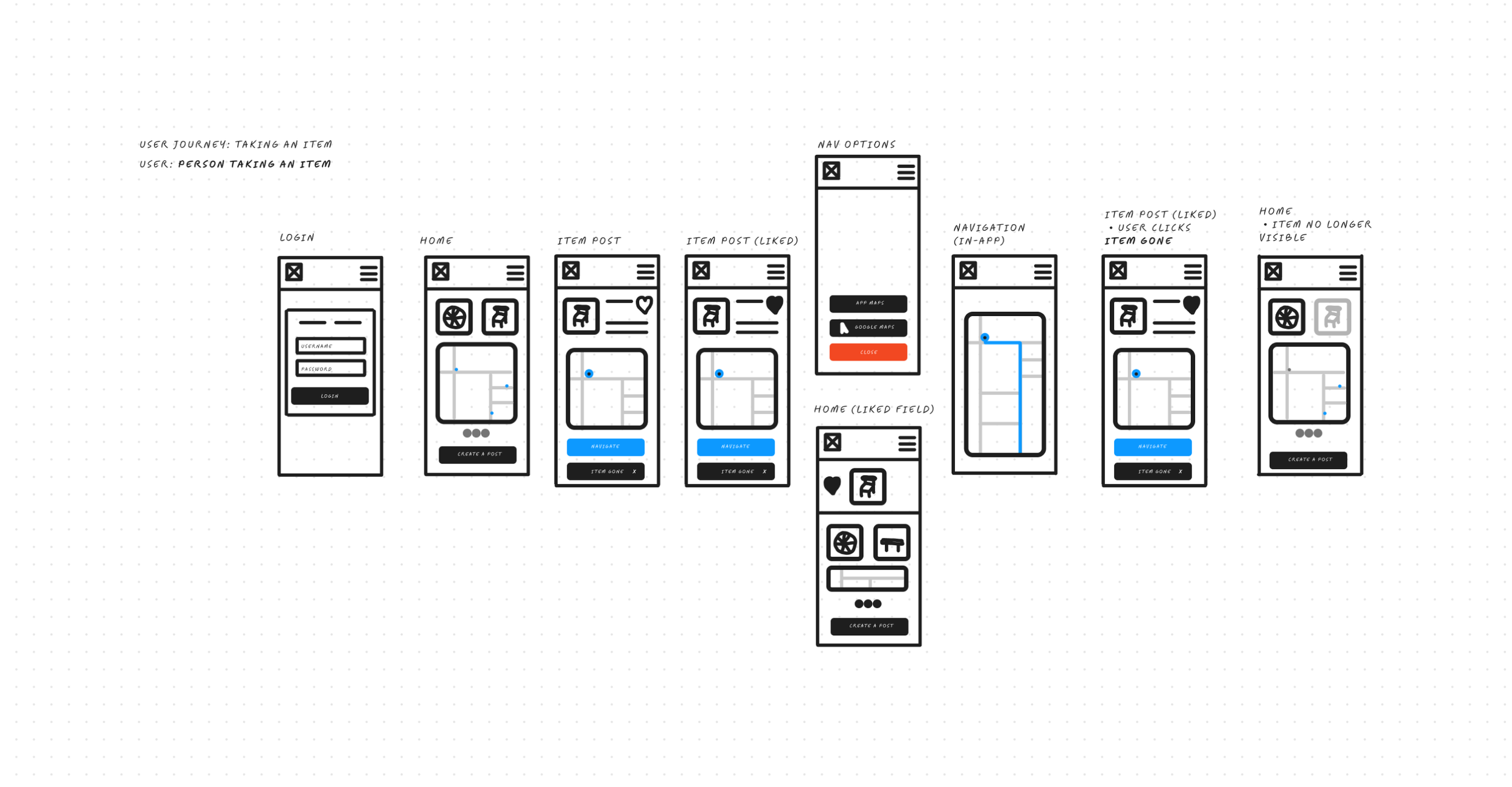
Ideally, all you need to do as the “giver” is put your unwanted item outside, take a picture of it and share its drop-off location. Users nearby, the “receivers”, will immediately get notified of the item being close to their current location. They can then look up the item’s location, navigate to the place and pick up the item.
The giver can then go on with their daily tasks, knowing their item was not needlessly put to waste, but is now being put to good use by those who need it.
Background
The goal of Use Up centers on ideally creating a world where people won’t purchase new unnecessary materials, but choose to recycle and reuse existing resources instead. This will ultimately minimize the greenhouse gas emissions related to overconsumption.
But overconsumption is a complicated issue, because it is a choice made by the individual. 44% of Danes who move out buy entirely new furniture for example. How can we fix this behaviour?
DANSIC’s mission this year was to design an app that could tackle some of the issues regarding overconsumption. One of these issues being the difficulty in getting rid of items like furniture and lamps, that are impractical to carry for longer distances, and make it easier for others to get hold of these items without too much hassle.
Target Audience and Competitors
You can argue why people would want an app like Use Up, when users can already use customer-to-customer platforms, such as DBA and Facebook Marketplace, to sell unused furniture and in addition make a sale. But these platforms require more steps for the giver to go through in order to post their items, making the journey feel longer and more drawn out than necessary. C2C platforms are also often built on minimal regulation. This means the receiver has to take a risk when they are purchasing used items. Same can be said for sellers who also risk getting scammed by the customer.
With Use Up, users do not spend money and therefore do not rely on trusting the seller and receiving their desired item in a certain condition. This greatly reduces the potential gains people can get out of scamming other users, who just want to get rid of unused items.
The people that will “upcycle” with Use Up, will do it because of its convenience, and because they know it will reduce the acquisition of more unnecessary materials. Those that want to make a sale on their used items will continue to use DBA. The people that use this app will do it because they like the idea of reducing overconsumption and benefit from each other as a trusting community.
Organisation
DANSIC is a professional, voluntary and non-profit organisation run by both, ambitious Danish, international students and recent graduates. Established in 2011, it has grown to be one of the largest platforms for social innovation in Denmark.
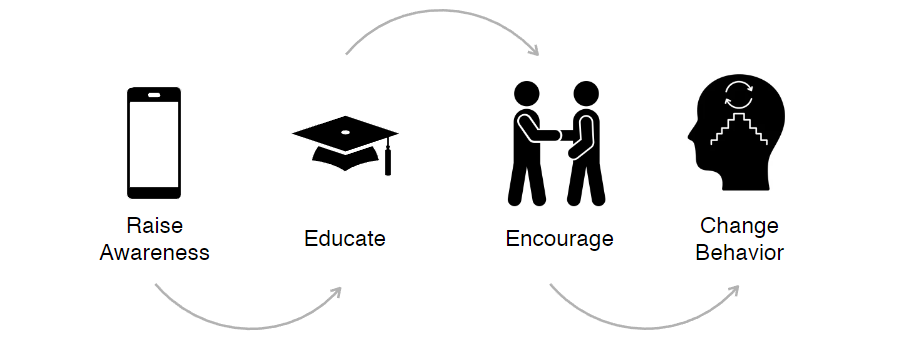
The organisation aims to use social innovation to assist and inspire different actors in society to solve some of the greatest current social challenges. Their goal is ultimately to encourage others to change behaviour and create a society that is socially, environmentally and economically sustainable.
The organisation is run by every year by a new team of volunteers. Each year’s project aims to investigate a distinct topic or challenge pertinent to today’s dynamic society. The project culminates in an annual event focused on raising awareness on a current societal issues through building partnerships with national and international governments, businesses and/or non-profit organisations.
From concept to prototype
Wireframes
Low fidelity wireframes was created at the start to focus on the functional elements of the prototype instead of the visuals. The purpose was to decide what essential features should be featured on the app. Before developing the final prototype, the low fidelity wireframes were tested to see if the added features and categories made sense from a user-centric standpoint.
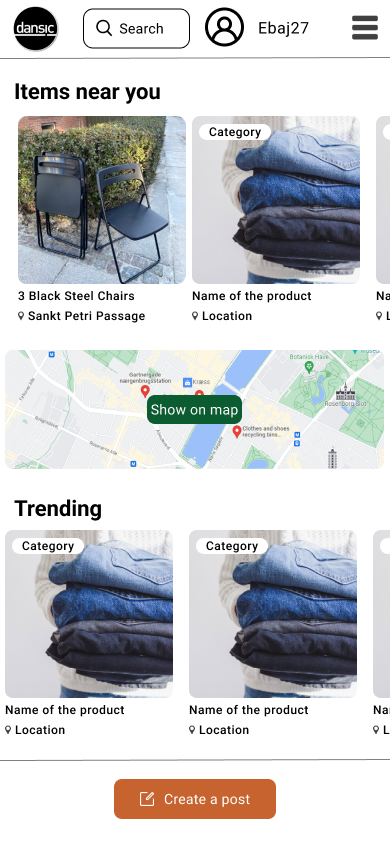
The high-fidelity prototype was later designed with added visuals and animations.
Prototype
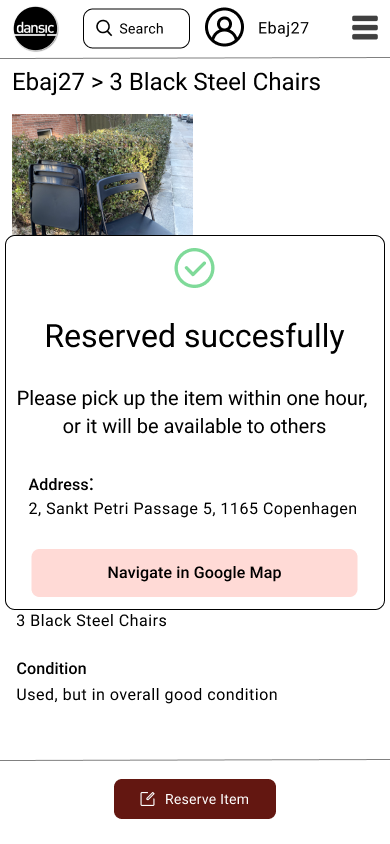
Use Up went through several iterations before being presented at DANSIC’s annual event. One high-fidelity prototype had a different color scheme and layout and included items being prioritized by how much they trended in users’ searches. The receiver would also have to press a button that would “reserve the item”, making other users unable to access the specific item.
The intent was to assure receivers they would get the item they wanted. However, we realised it did not make sense to proceed with these types of regulations. This is because Use Up is a “first come, first served” concept by design. Therefore, if the receiver has already looked up the item and know it is close to their location, they can go pick it up, whether they reserved it or not. A “reserve item” function could also potentially be exploited by receivers blocking others from accessing items by reserving the items, but not showing up to collect them.
Because the target audience of Use Up are primarily interested in recycling items effectively to reduce overconsumption, we realised the app can work as a “first come, first serve” concept and would not need regulation such as the receiver needing to reserve their item.
Pitching to stakeholders
Showcase video
During the development of Use Up, I worked together with the communications team on creating a video demonstrating a use case scenario of the app. The video was used for marketing the event on Facebook, LinkedIn and Instagram, and was presented at the event as well.
Presenting Use Up
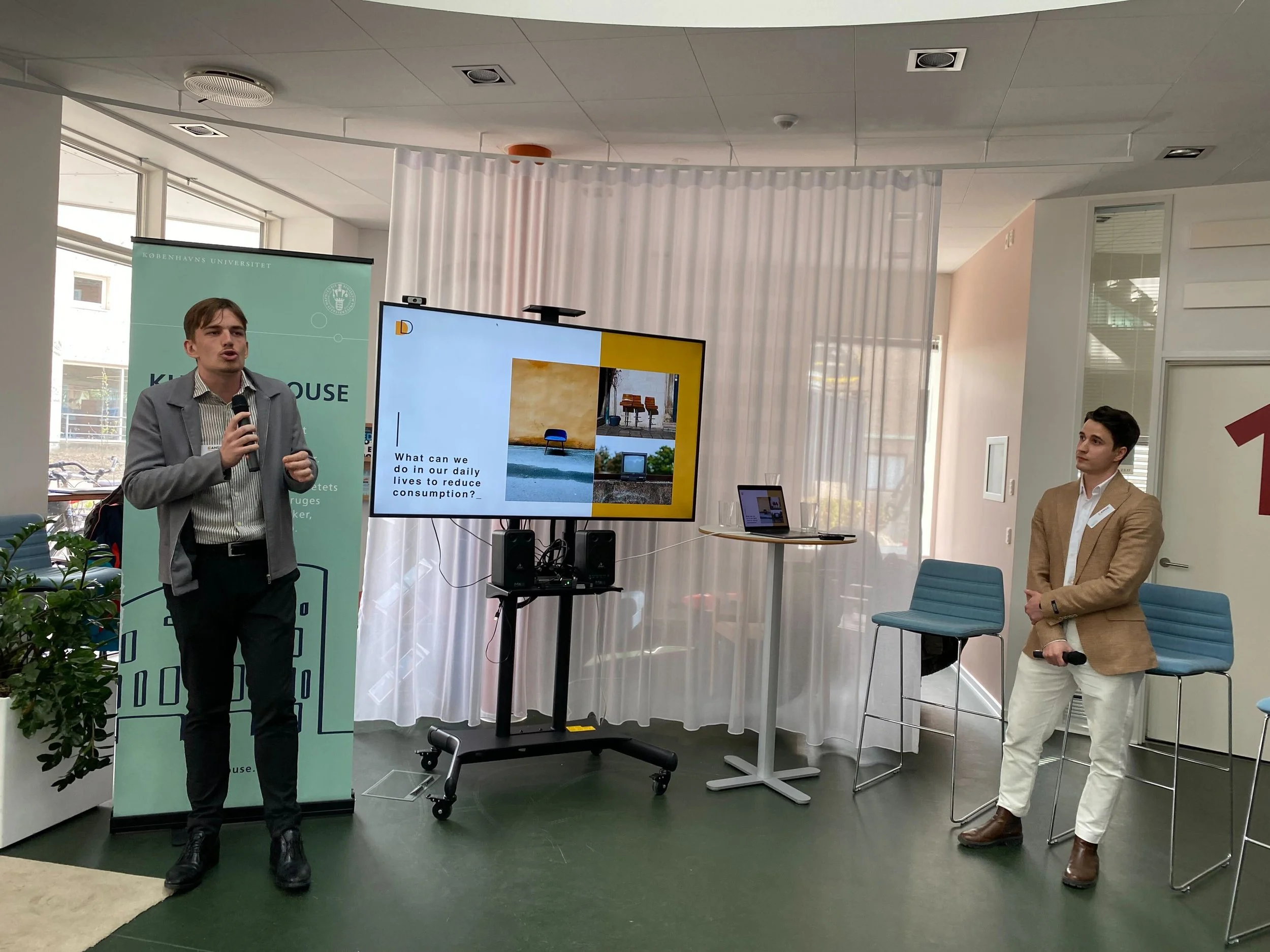
Use Up was presented at DANSIC’s annual event on April 28th in front of a larger audience consisting of innovators and designers. These included stakeholders from Venture Cup, Kooperation and Roskilde Festival.
I presented Use Up with a DANSIC colleague. We talked about how the the app functions, who the target audience of the app is and how it will help accomplish DANSIC’s goal and vision.
The presentation was well-received and lead directly to further discussions later in the event regarding how it is possible to change consumer behaviour, and how Use Up can be further developed.